Strategic empathy at the intersections of the health sector
“The health sector doesn’t need a design company to explain empathy.”
4 min read
The health sector doesn’t need a design company to explain empathy (even a human-centred design company). People choose health careers because they care.
The health sector doesn’t need a design company to explain complexity either. Anyone working across different funding models, the contested spaces of often concurrent care provided by GPs/hospitals/allied health/community services/private organisations/etc lives with and understands the complexities inherent in these intersections and their impact.
So why does the health sector need a human-centred design company?
There are tensions running through almost every conversation, between health care as a business and health care as care. Between health care models that are sustainable for us, and health care models that pass the buck (sometimes literally) onto some other party.
One camp talks about budgets, throughput and sustainability. The other talks about dignity, relationships and time. Each can sound like the other is the problem. Both are right. A system that can’t pay its way can’t care for anyone for long, and a system that optimises away care has lost its purpose.
Frontline workers live inside that tension every day, expected to deliver compassion while being measured on volume. Peak bodies, funders and providers often hold myopic views and advocate hard, which can turn the conversation into a contest for prominence rather than a search for what the whole system needs. Meanwhile, the people who know the most are often heard the least, and the people who are impacted the most go on being impacted.
How we can help
What design can offer is something more specific, the strategic use of stories to win the hearts and minds of the people who make decisions.
Strategic empathy is about getting the right story to the right decision maker, in a form they can act on. It means bringing the lived experience of a patient or a worker into a room where it would otherwise be absent.
That absence matters. Too often, the only information a decision maker has about human impact is numeric. A cohort becomes a percentage, a wait becomes an average, and a person becomes a unit of demand. This is rarely a failing of the people in the room. It is what happens when the information that reaches them arrives in only one form. But a decision made on numbers alone can quietly lose sight of the people it affects, and the consequences land on real lives that were never part of the conversation.
That is why we work to humanise the numbers. Health is rich in data, and decision makers are rarely short of it. What they often lack is a way to see the people inside it. A good data story connects a pattern to a person, so a figure on repeat presentations or wait times becomes something a decision maker can picture and feel. Done well, the story gives the data meaning, and the data shows the story is not an exception.
It also means being selective. Decision makers are already stretched, and more information rarely leads to better decisions. We help teams choose the few stories and the few numbers that matter most for the decision at hand, so the people and the evidence are heard clearly rather than lost in volume.
That is also how we work across the tension rather than picking a side. We can show the business case for care, through repeat presentations, avoidable admissions and staff burnout, and we can show the human cost hidden inside an efficiency gain.
We’ve led co-design in mental health, early childhood development at the intersection of health and education, collaborative regional wellness planning, aged care and more. The best outcomes came when people with lived experience, frontline providers and decision makers worked on the problem together, with enough structure to be productive and enough openness to be surprised.
Helping good work travel
A lot is already working, from local initiatives to clever workarounds and well-run pilots. But good work doesn’t always travel.
We help tell the story of why something works and what it depends on, so others can see it, believe in it and adapt it. That includes the evidence a business case needs, told in a way that still carries the care.
Why we do this
Our founder, Iain Barker, grew up the child of a lifelong frontline social worker. He has spent his career wanting to improve the systems that support, and sometimes undermine, people motivated to do good. brkrs began with that conviction.
Design isn’t a silver bullet for all of healthcares challenges, but it does nurture collaboration, and meaningful and sustainable patient-centred outcomes.
This is the work we do at brkrs. We help organisations and industries collaborate and solve problems at a systemic level to drive better outcomes for all.
Written by Iain Barker
Thirty years in human-centred design. Co-founder of Meld Studios, former Director of Customer Experience Design at Transport for NSW. About brkrs.
In this essay
Related work
Agreeing a regional wellbeing plan across five organisations
Co-design with North Queensland PHN and four Hospital and Health Services.
More thoughts
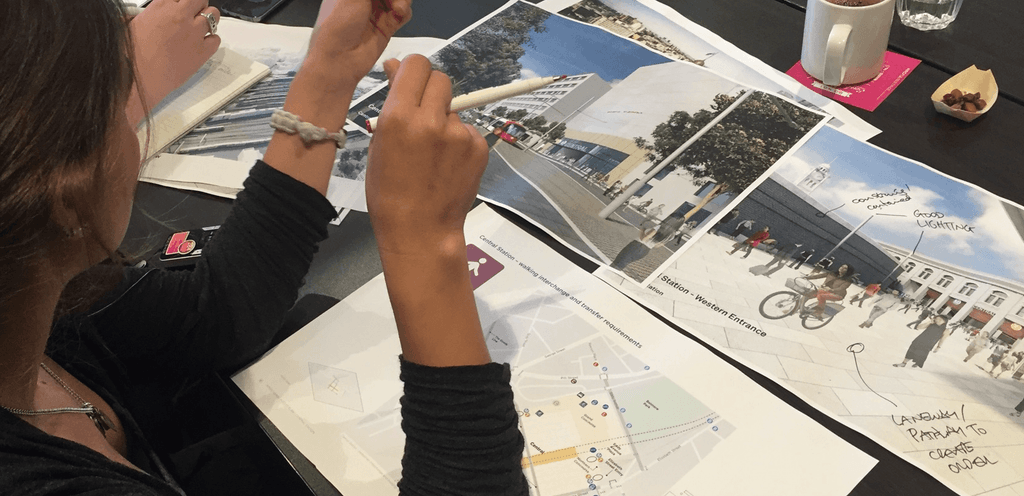
Designing the built environment for a human scale
“What will a person standing here actually do?”
8 min read
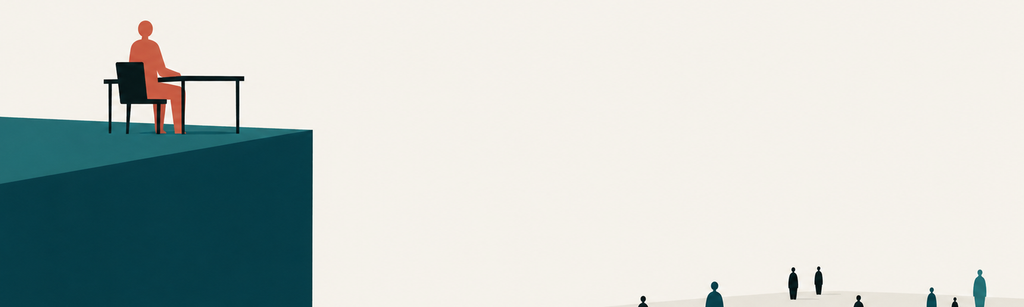
Understanding customers you don’t see
“Most leaders are not short on data. They are short on contact with what it means.”
5 min read